
Some of the most interesting work in disability design never leaves the classroom.
During my MSc in Disability Design & Innovation at UCL, our cohort produced a remarkable body of work, including research, prototypes, platforms, and frameworks that addressed some of the most underserved challenges in inclusive design. But beyond our classroom, almost no one saw it. And we wanted to meet the people already working in the field, to learn from them, to be seen by them, and to find our place in an industry we cared deeply about.
Student Incubator for Disability Design was founded to close that gap.
Building the Platform
SIDD is a student-led initiative spanning three universities, dedicated to nurturing creativity and growing a community around disability design and innovation. As of now, it is a portfolio platform showcasing work from disability design students across those three universities. The longer-term vision is to grow into a network connecting students with faculty mentors, industry professionals, and disability advocates worldwide.
The First Event
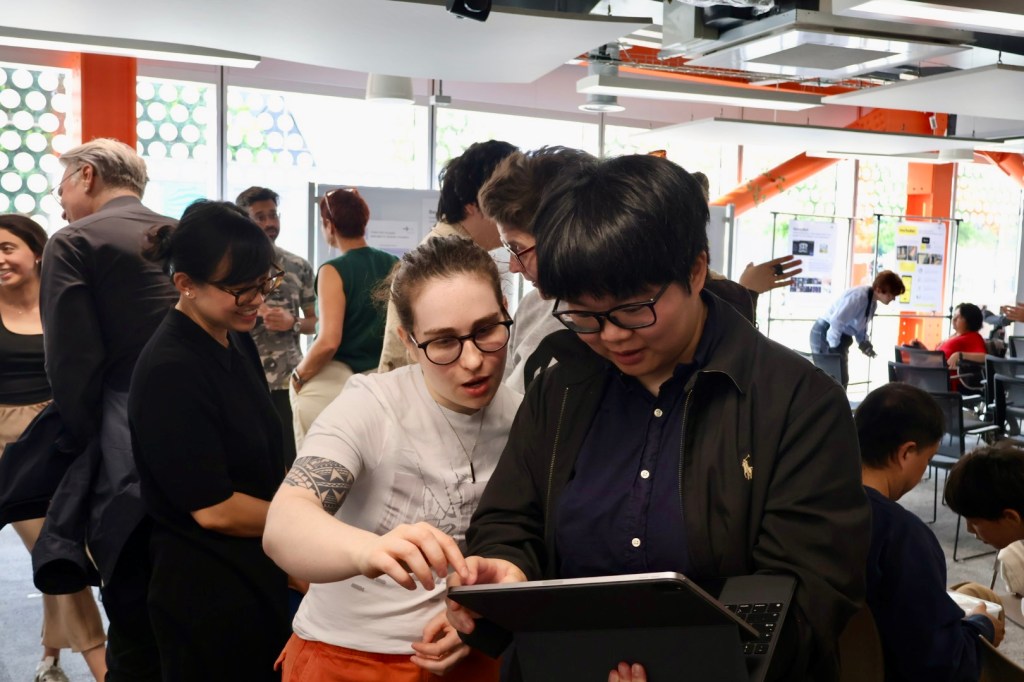
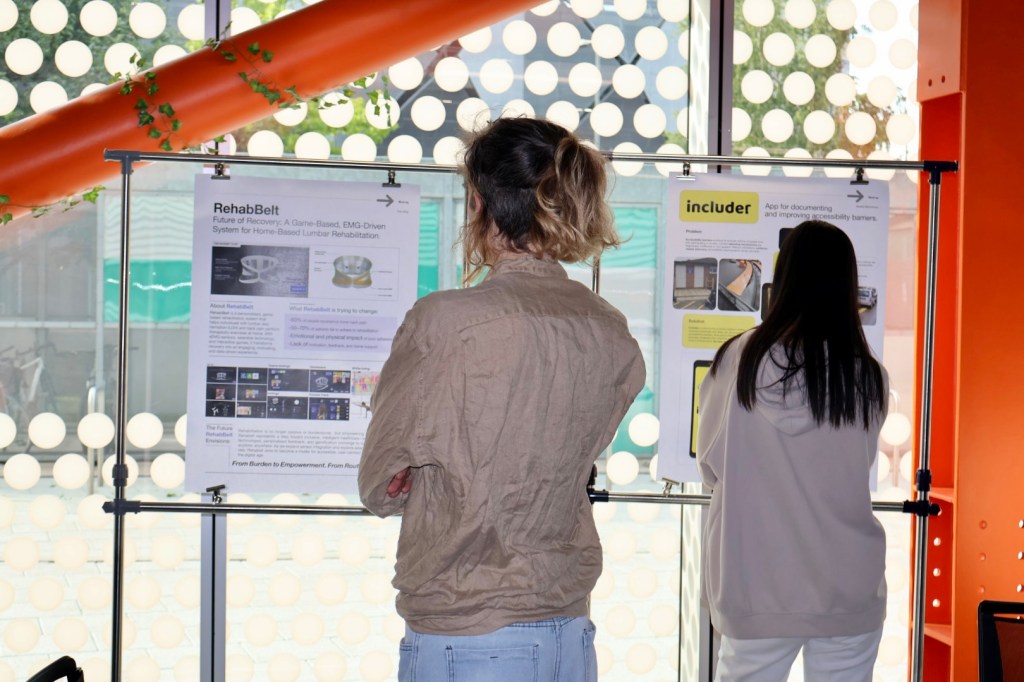
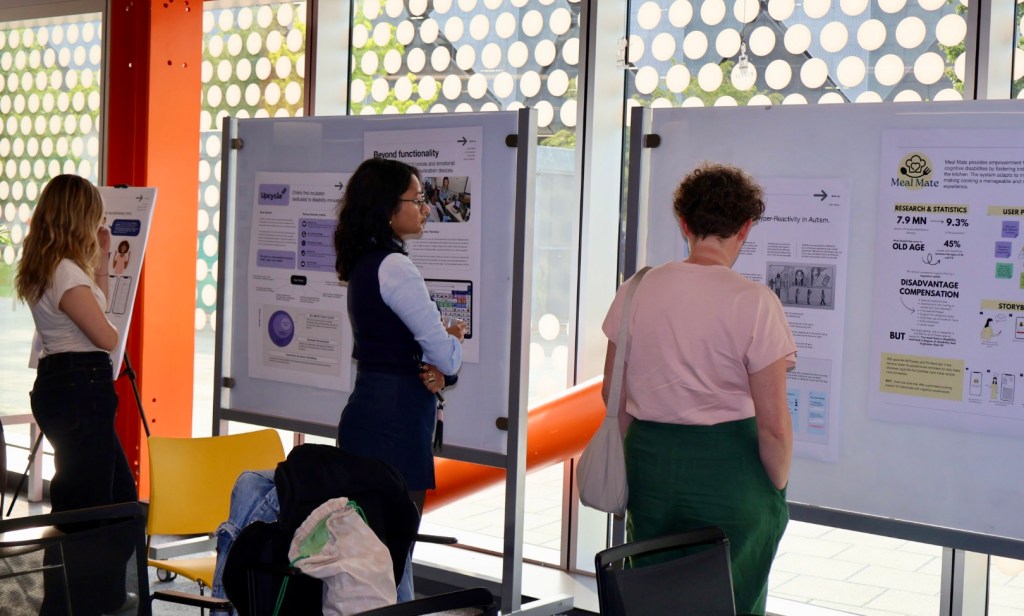
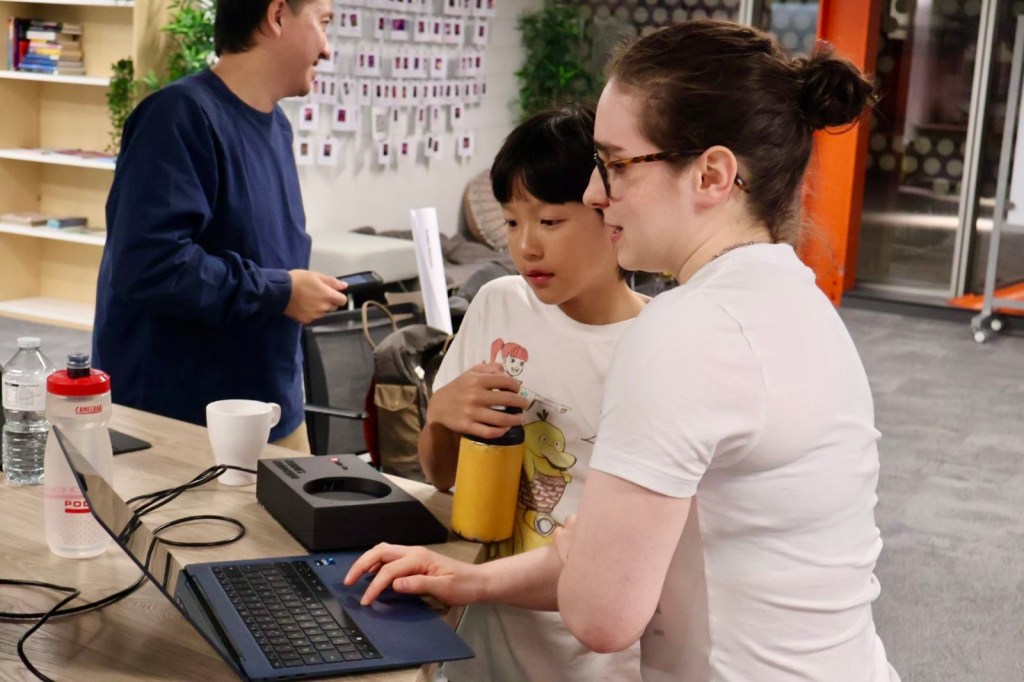
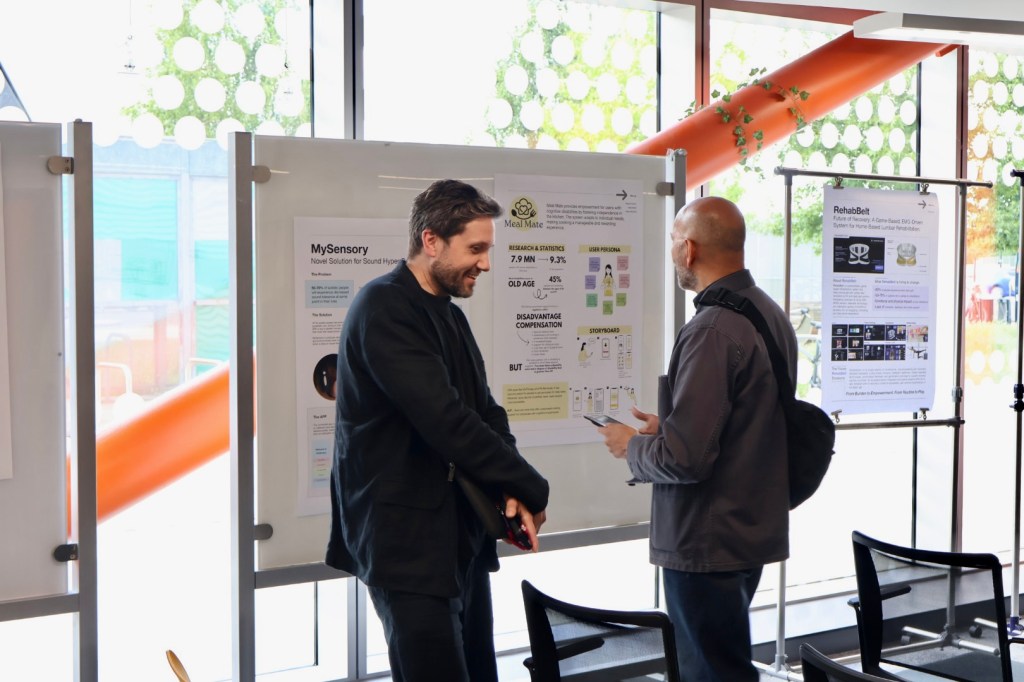
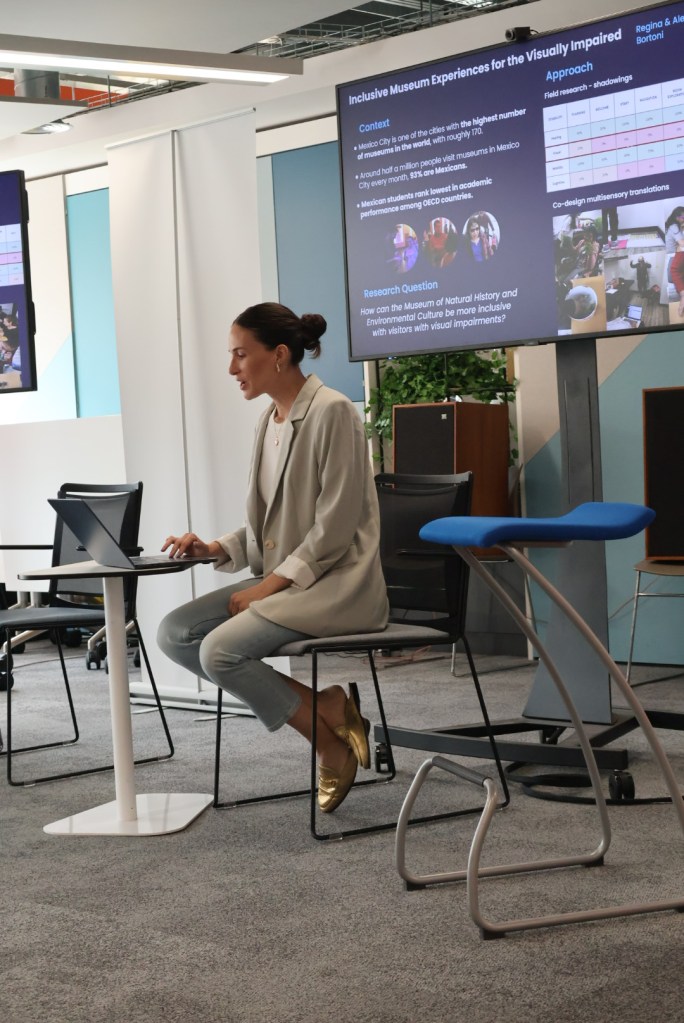
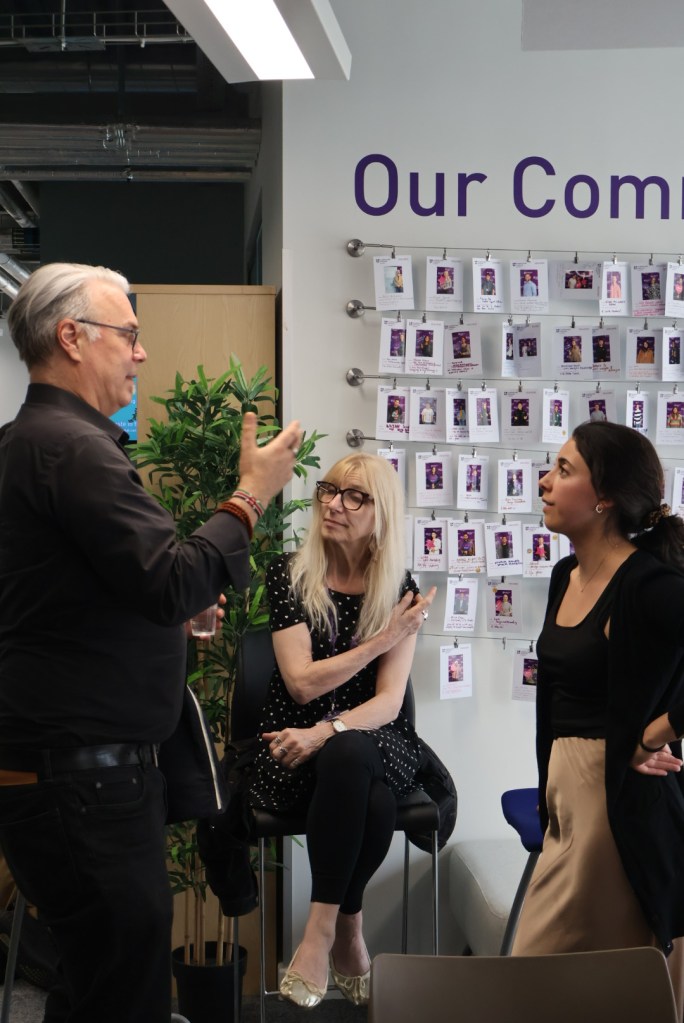
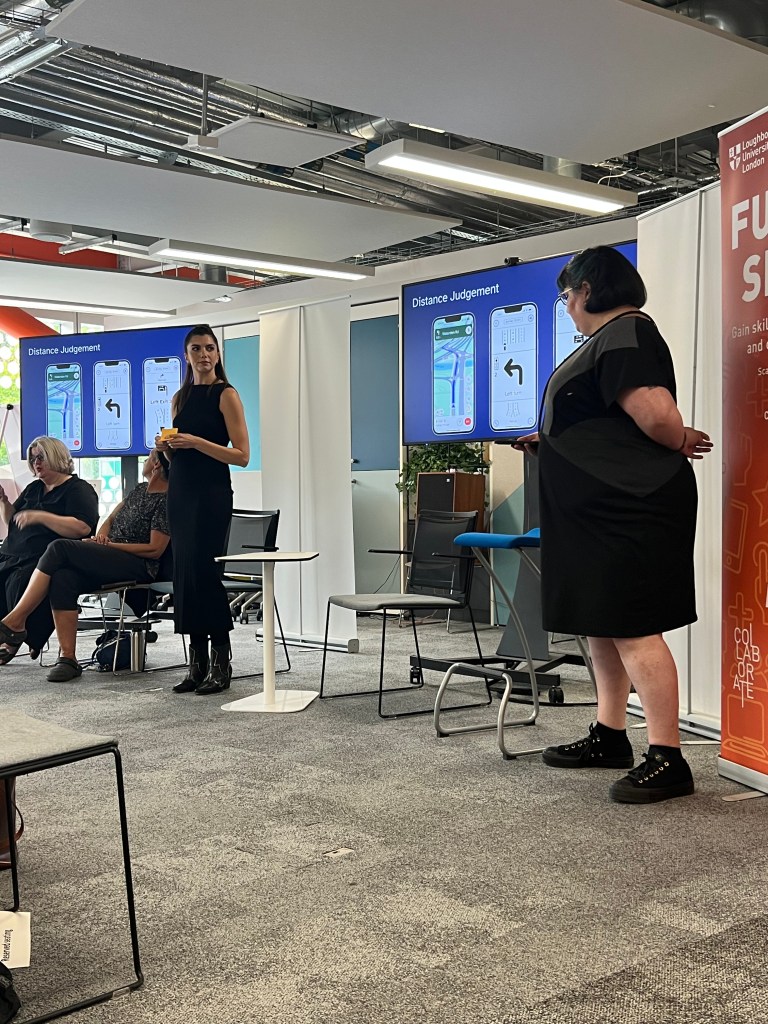
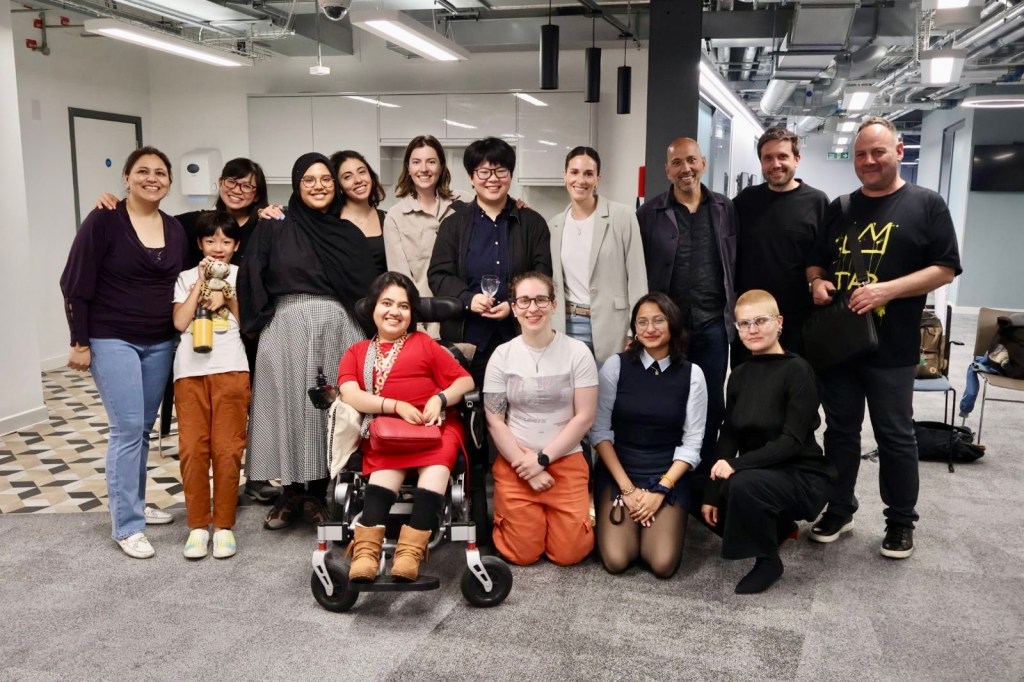
For the 2024–2025 cohort, SIDD hosted its inaugural industry event, bringing together students, employers, and researchers to explore the future of inclusive design. The evening featured a gallery-style student poster showcase, with cohort members presenting their work directly to industry guests.
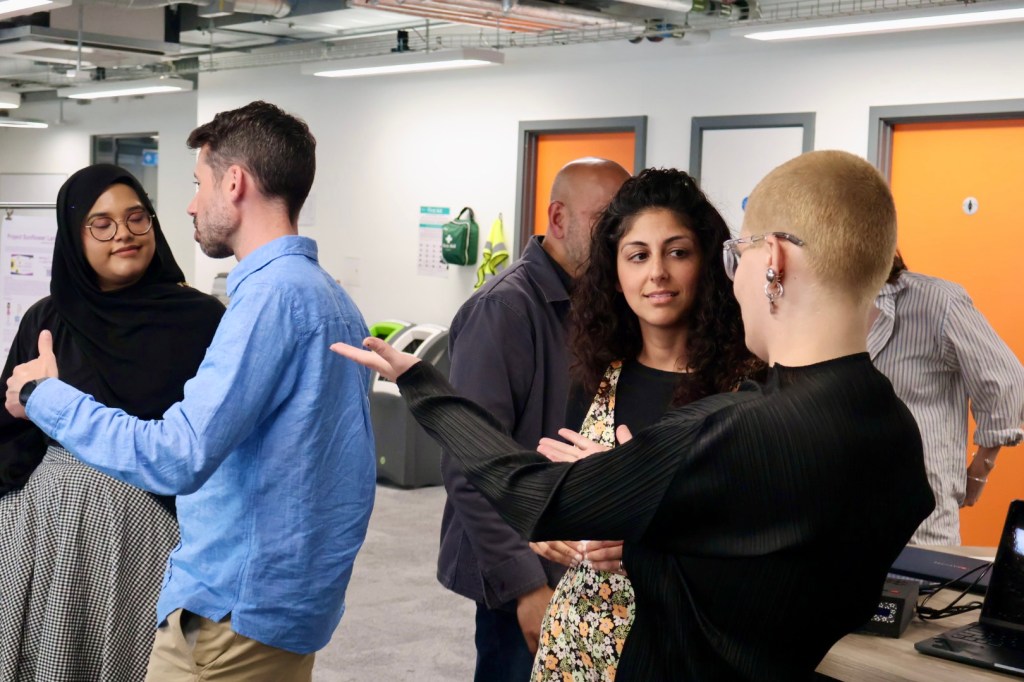
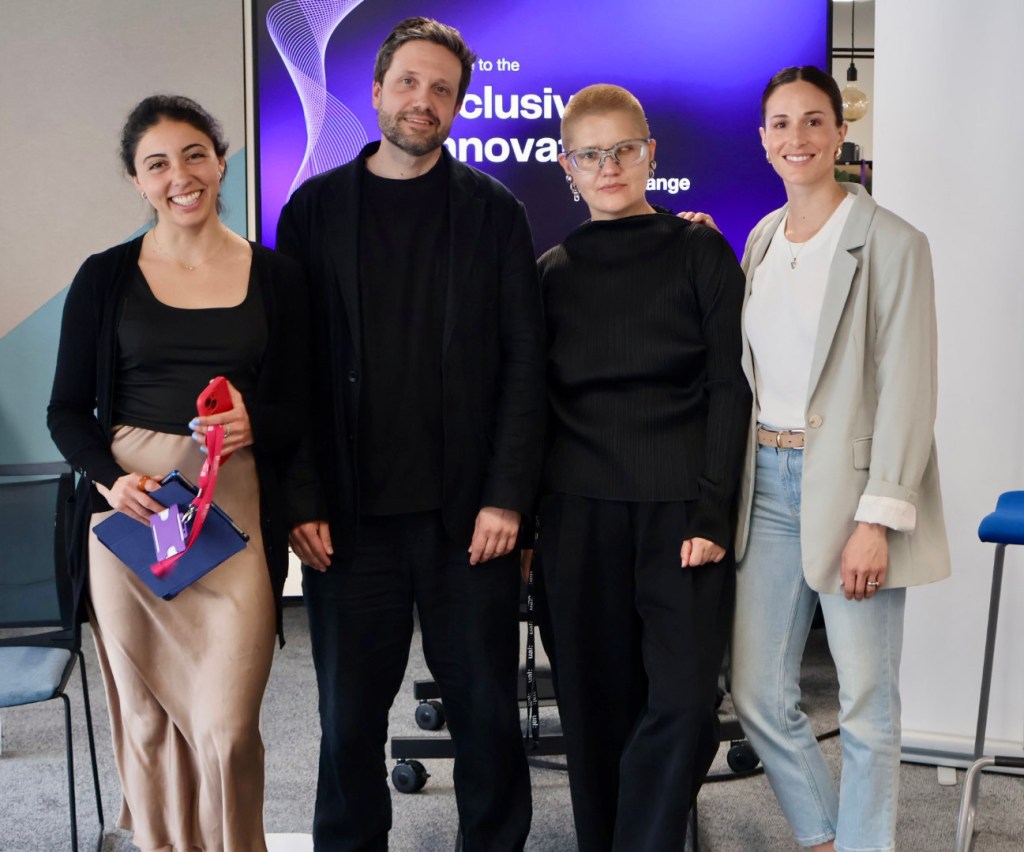
A panel of senior practitioners, recruited through our own professional network, joined for a conversation on disability industry and accessibility in practice:
- Amanprit Arnold: Disability Urban Strategist & Founder, DeafCity Hub
- Christopher Patnoe: Head of EMEA Accessibility and Disability Innovation, Google
- Prof. Eenasul Fateh: Trauma-Informed Design Practitioner & Professor
- Marc Goblot: Founder, Digital Diversity Living Lab & Tech for Disability
- Nuala O’Sullivan: Principal Access & Inclusive Design Specialist, Mima Group
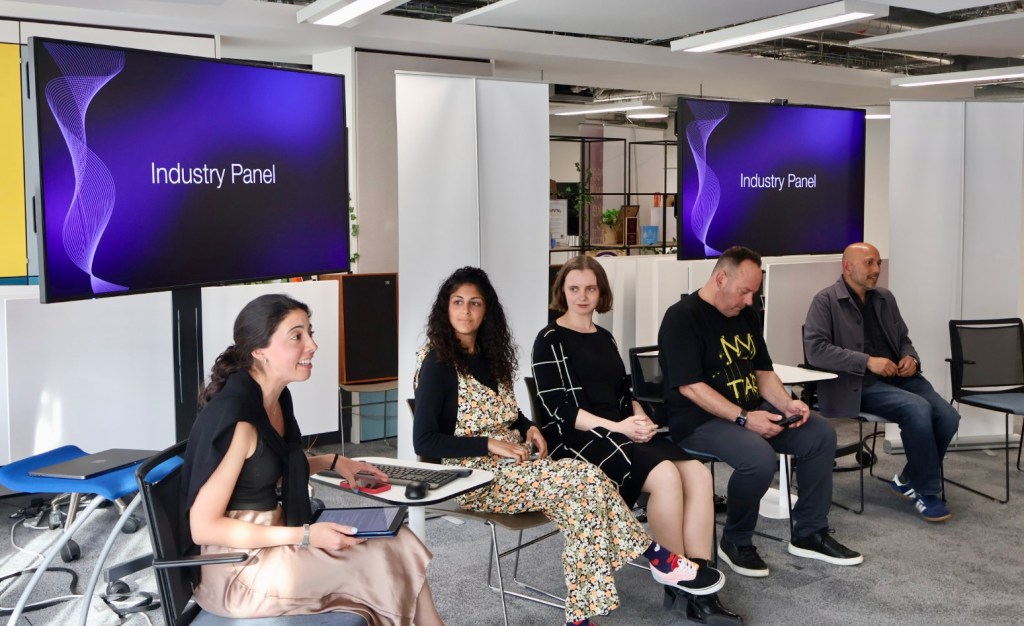
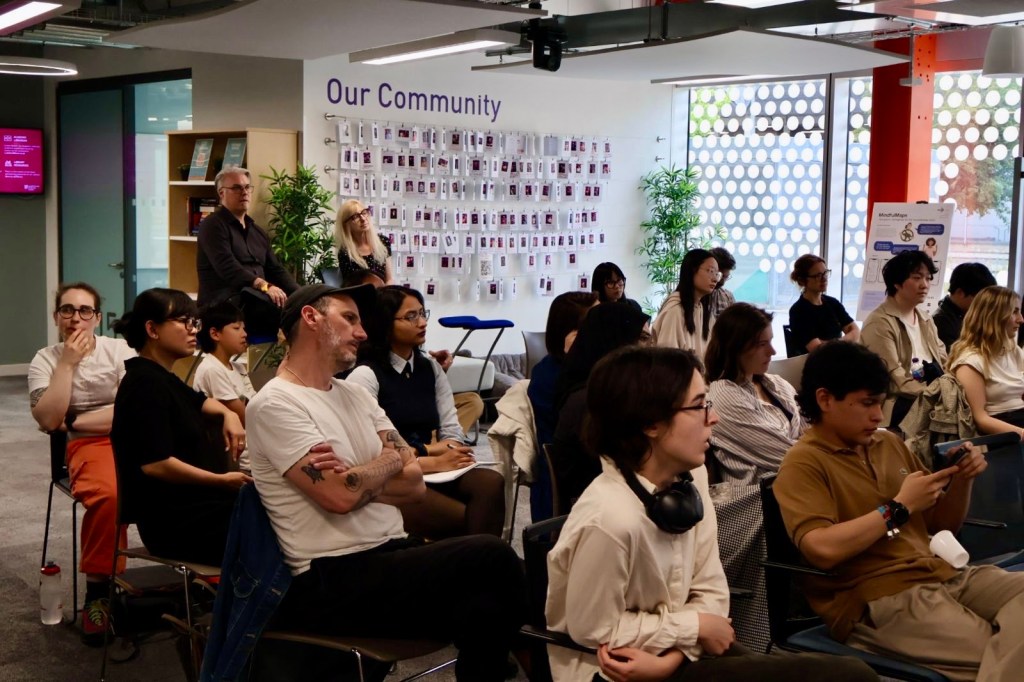
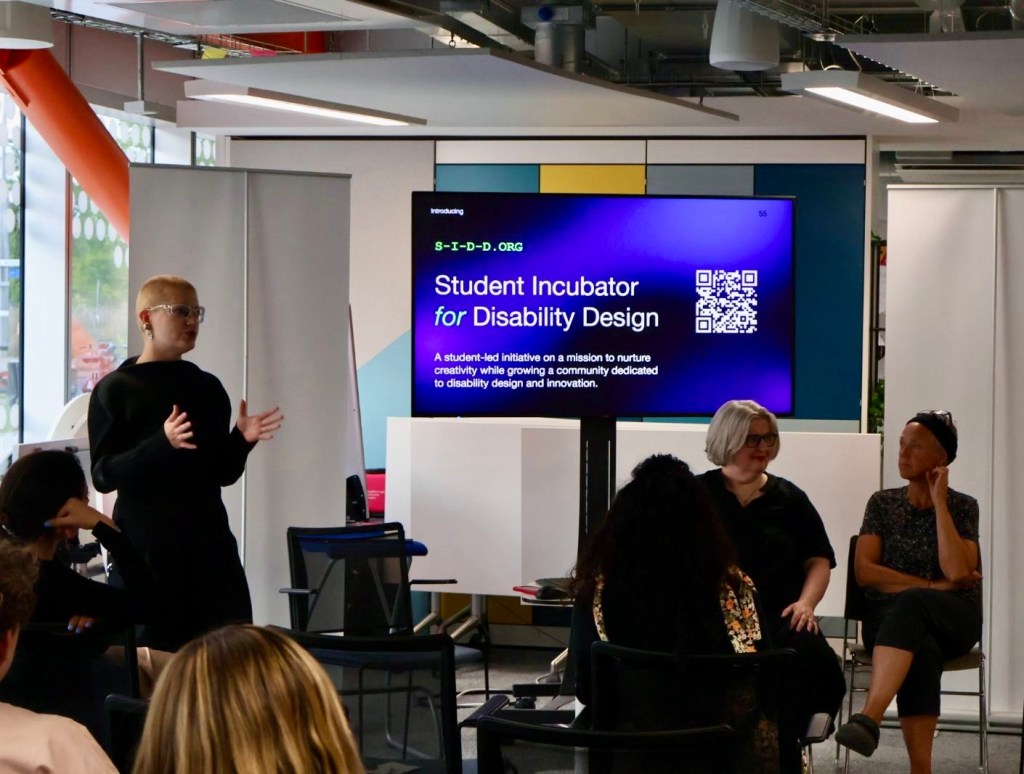
The panel was moderated by a student from the cohort, keeping community voice at the centre of the conversation, even when the room was full of industry leaders.
What Comes Next
This project began with my own frustration and a photograph sent to a friend. It ends with a platform designed to make that frustration useful — not just to me, but to the 16.1 million disabled people in the UK who deserve better than the built environment currently offers them.
CREDITS:
University: Loughborough University/ UCL (2025)
Co-creators: Maria José (Coté) Auil, Regina Bortoni
My role: Founder, branding, design, programme development, event curation, student support
 Creative Director | Inclusive Approach & Accessible & Design