
It started with a familiar frustration. As a visually impaired person navigating cities daily, I found myself photographing accessibility barriers (broken lifts, blocked ramps, missing tactile paving) and sending them to friends. A private joke about a public failure. The question that followed was serious: why is there no system that turns these individual moments of frustration into collective evidence for change?
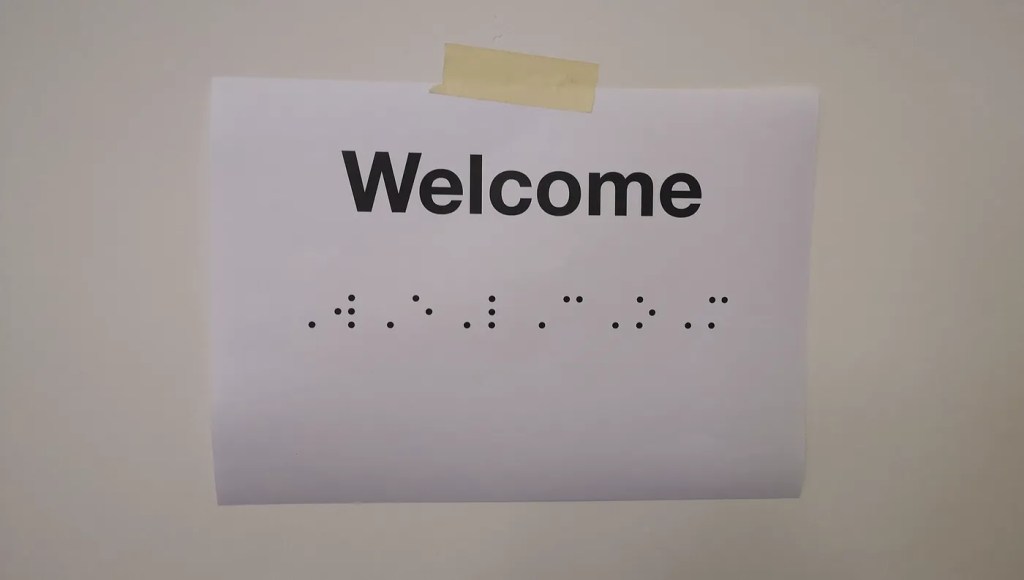
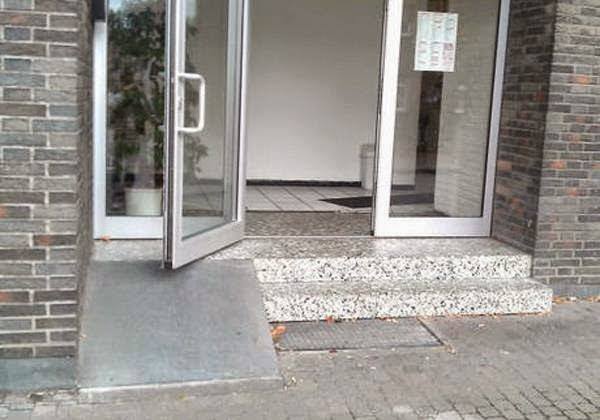
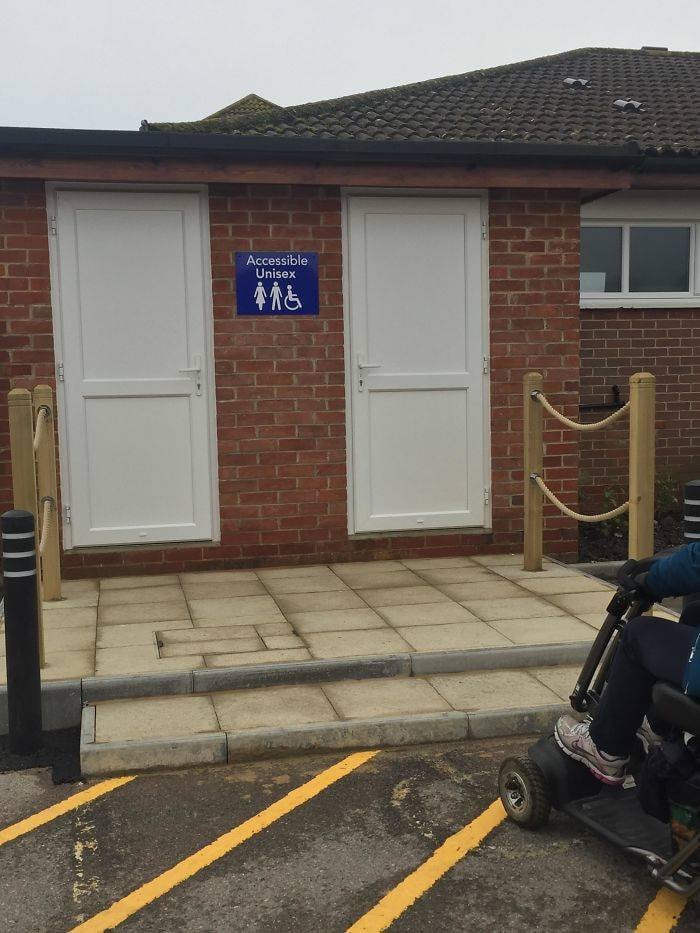
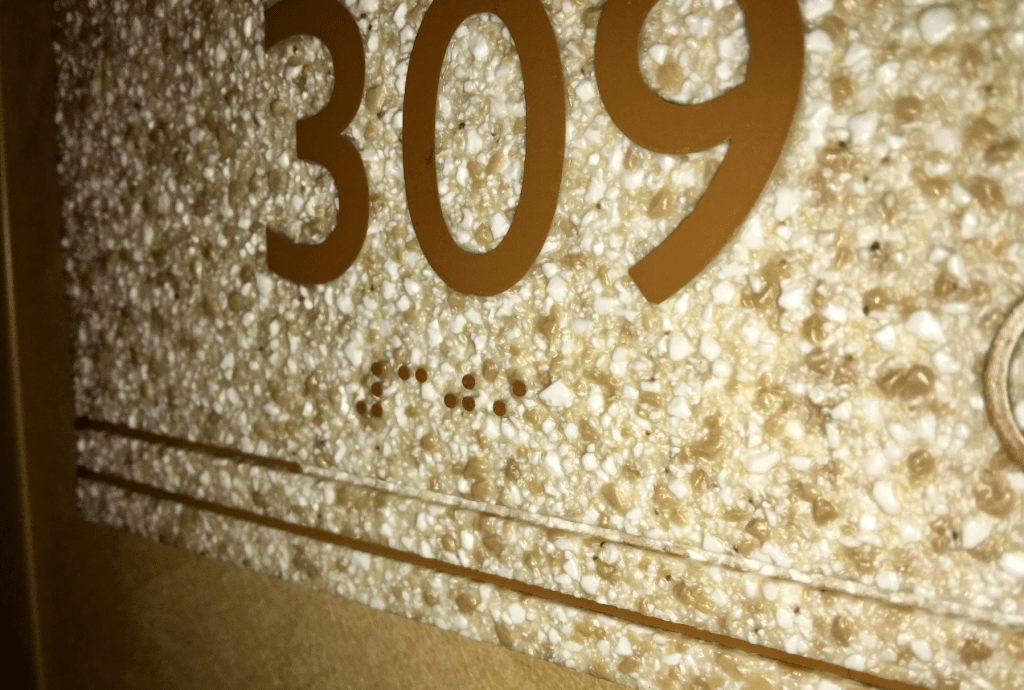
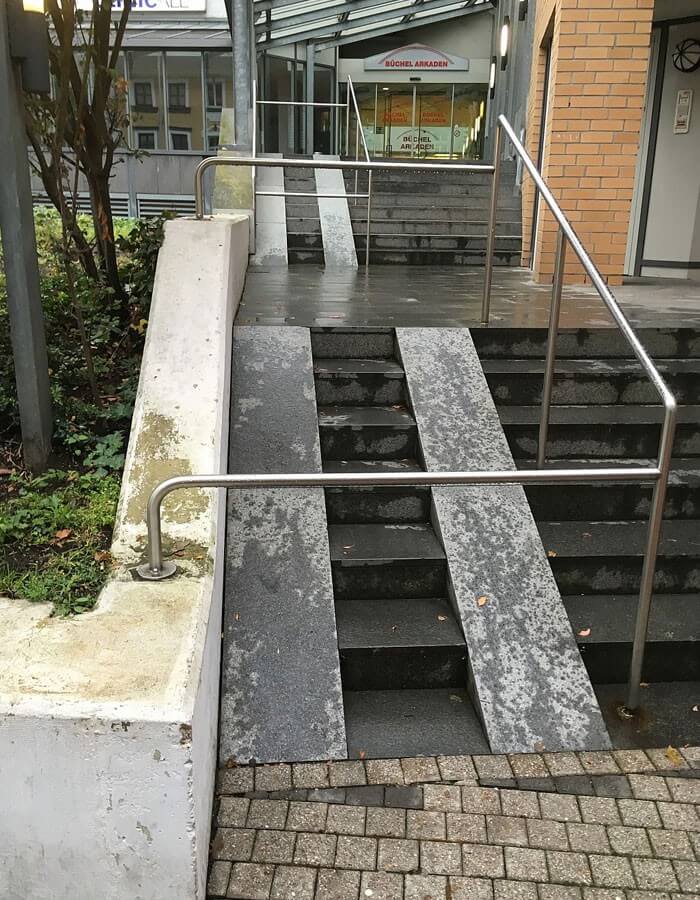
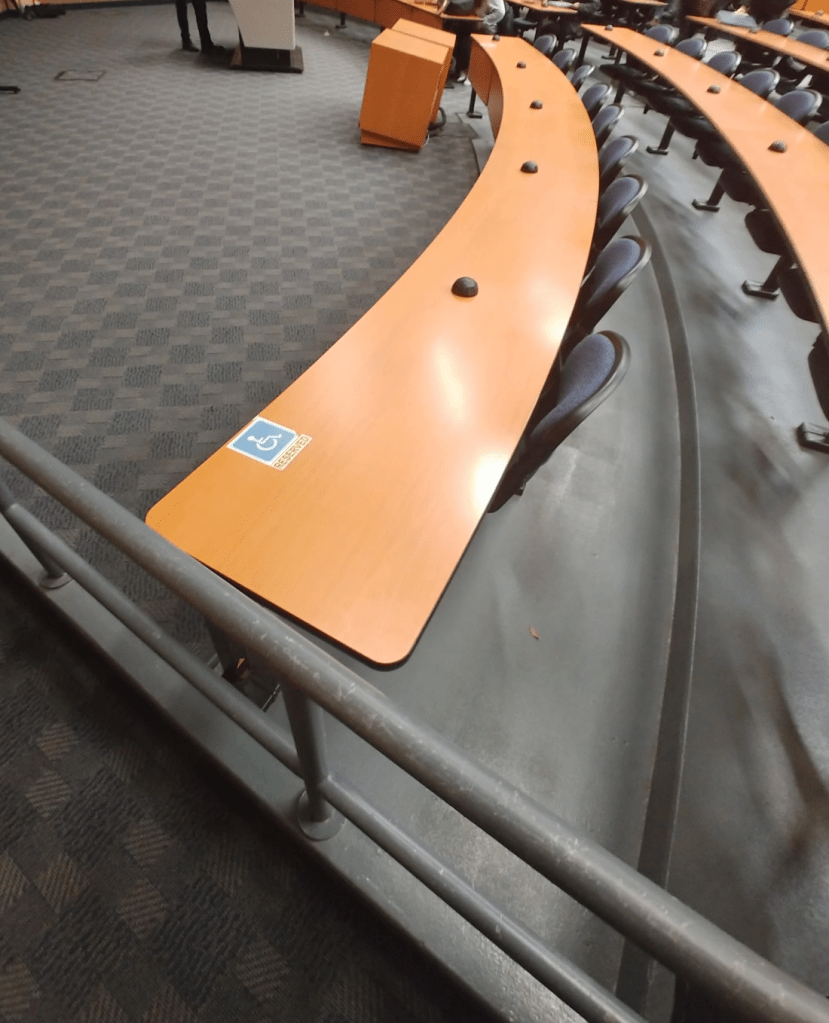
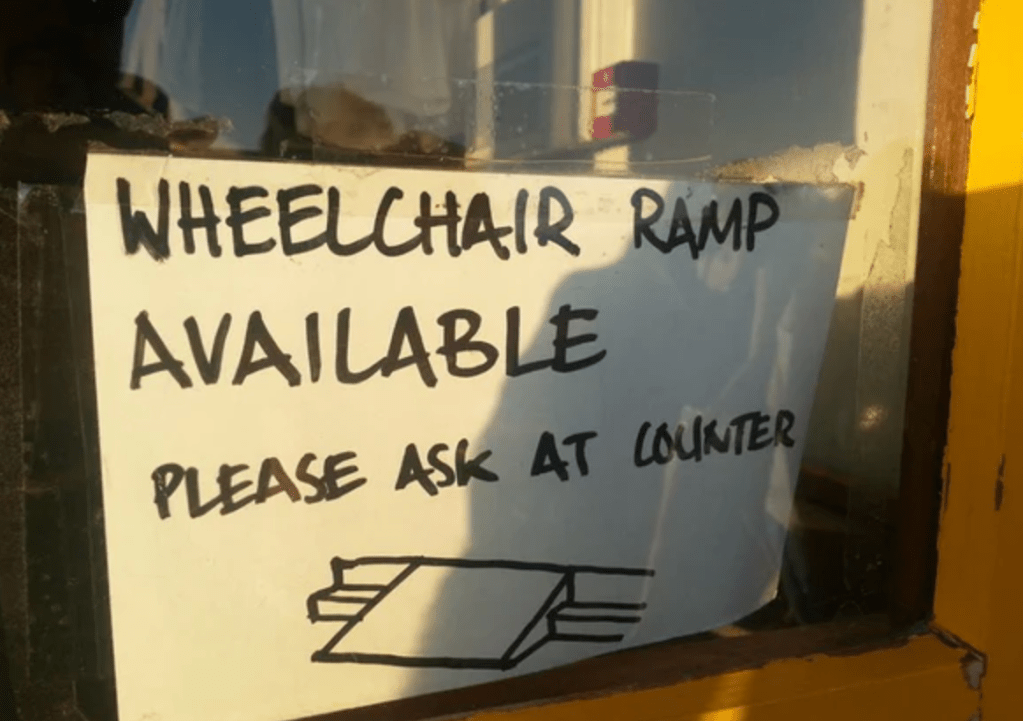
Thirty years after the UK’s Disability Discrimination Act, 78% of disabled people still lack confidence when visiting new places due to poor accessibility. The problem isn’t only that barriers exist — it’s that the mechanisms for reporting and resolving them are fragmented, inconsistent, and rarely lead to action. People report barriers to venues or councils in isolation. Without aggregated data, advocates can’t identify patterns. Without accountability, the same barriers persist year after year.

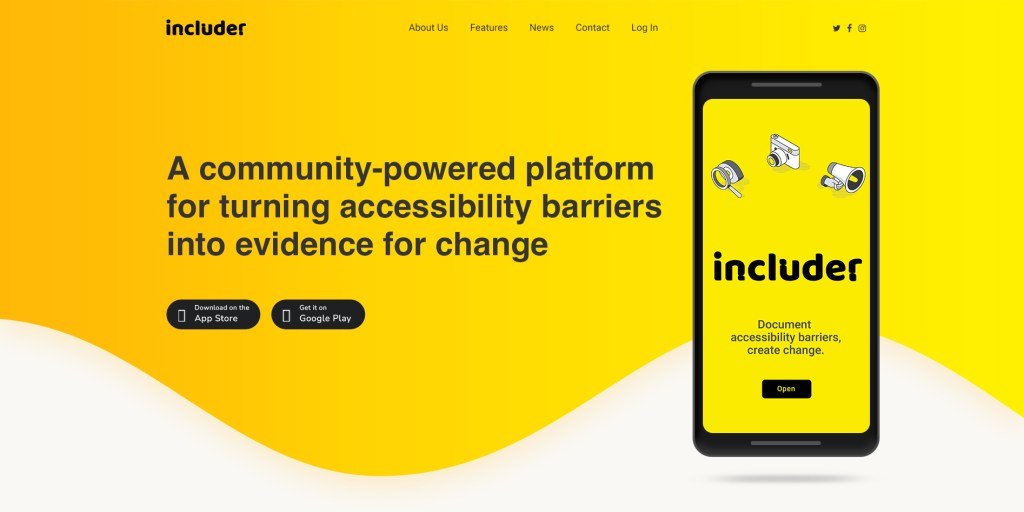
includer is a community-powered platform where disabled individuals and allies can document accessibility barriers, drive accountability, and turn everyday obstacles into collective advocacy for a more inclusive world.
The Design Concept
The core insight behind INCLUDR was borrowed from environmental platforms that use crowdsourced data to document flooding. The same logic applies to accessibility: individual experiences, pooled and structured, become irrefutable evidence that decision-makers cannot ignore.
Three design principles shaped the platform. First, evidence over anecdote: photo and video documentation creates a visual database that carries weight with local authorities and businesses in a way that individual complaints do not. Second, full-cycle tracking: unlike existing accessibility mapping tools such as AXS Map or AccessNow, which focus on informing users where barriers exist, includer tracks whether reported barriers are actually resolved, creating a new layer of public accountability. Third, community-powered design: the platform was conceived as built by and for disabled people, with lived experience at the centre of every design decision rather than added as a consultation afterthought.
User Research & Personas
The design process was grounded in three distinct user groups whose needs shaped the platform architecture. (1) Maya, a wheelchair user living in East London, experiencing advocacy fatigue from years of isolated complaints, needed a way to transform personal frustration into collective action. (2) Sam, a blind software developer from Manchester, who has needs for tools that could communicate specific, technically precise barriers to sighted decision-makers who consistently dismiss his reports. (3) Patricia, a local authority cabinet member for planning and transport, needs to aggregate data to prioritise where limited resources would have maximum impact.
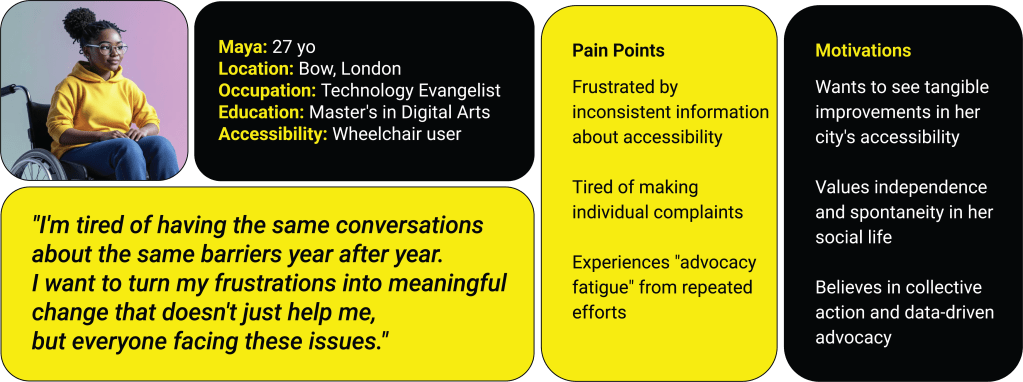
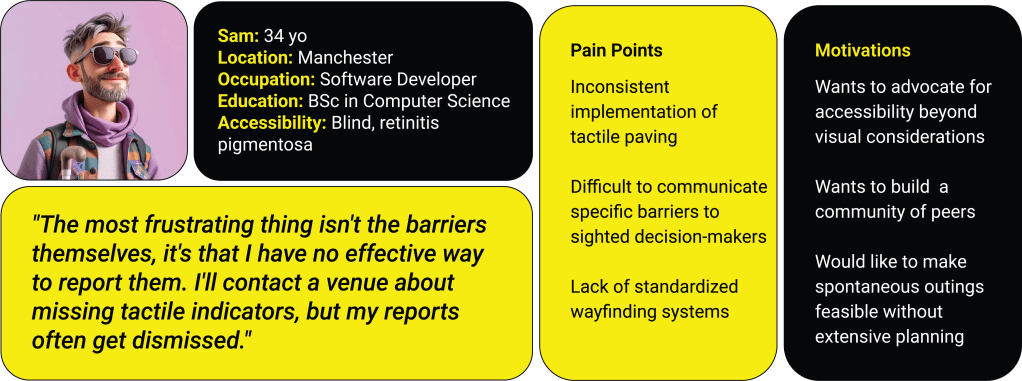
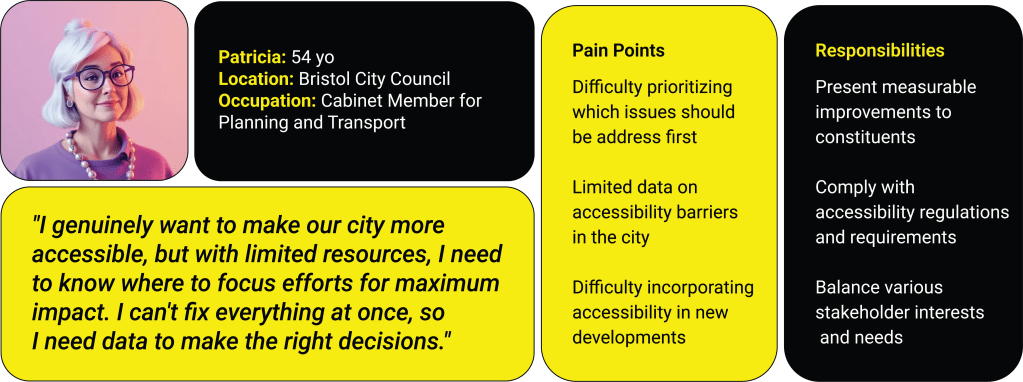
The tension among these three user types: community member, disabled professional, and institutional decision-maker, shaped includer’s dual-facing design: free and accessible for individuals, data-rich and actionable for organisations.
How it works?

Step 1: Identify Barrier
Users encounter barriers in their daily lives: inaccessible entrances, broken lifts, and missing signage.
Step 2: Document Barrier
Photograph it, describe it, tag the location. Thirty seconds to create evidence.

Step 3: Process Data
The platform aggregates reports and applies AI pattern recognition to surface systemic issues and priority areas.

Step 4: Demand Change
Actionable data goes to the people who can fix it: councils, businesses, planners, and users track progress from report to resolution.
This project began with my own frustration and a photograph sent to a friend. It ends with a platform designed to make that frustration useful — not just to me, but to the 16.1 million disabled people in the UK who deserve better than the built environment currently offers them.
CREDITS:
University: UCL/UAL (2025)
My role: Research, concept development, user persona development, platform design, brand identity, business strategy
 Creative Director | Inclusive Approach & Accessible & Design